
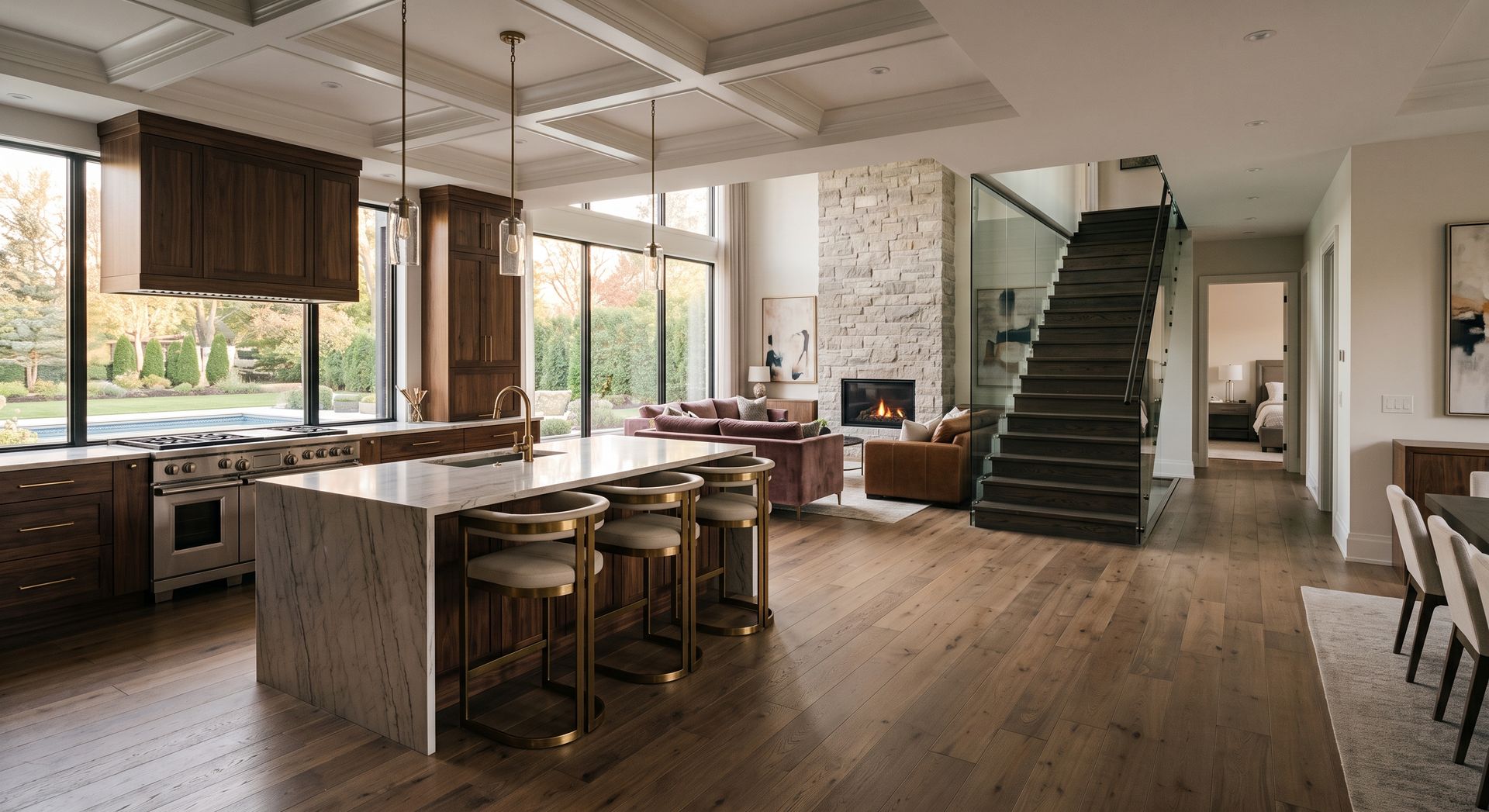

How to Plan a Luxury Whole-Home Remodel in Atlanta

Planning a luxury whole-home remodel in Atlanta starts with three essentials: define exactly what you want to change, establish a realistic investment range, and choose an experienced remodeling team before making major design decisions. Unlike updating one room, a whole-home renovation requires coordinated decisions about architecture, interiors, mechanical systems, materials, and construction sequencing.
For homeowners in Atlanta, Cumming, and surrounding North Georgia communities, careful planning can transform an outdated property into a highly personalized home without giving up a location you already love. Here is what to consider before construction begins.
What Is a Luxury Whole-Home Remodel?
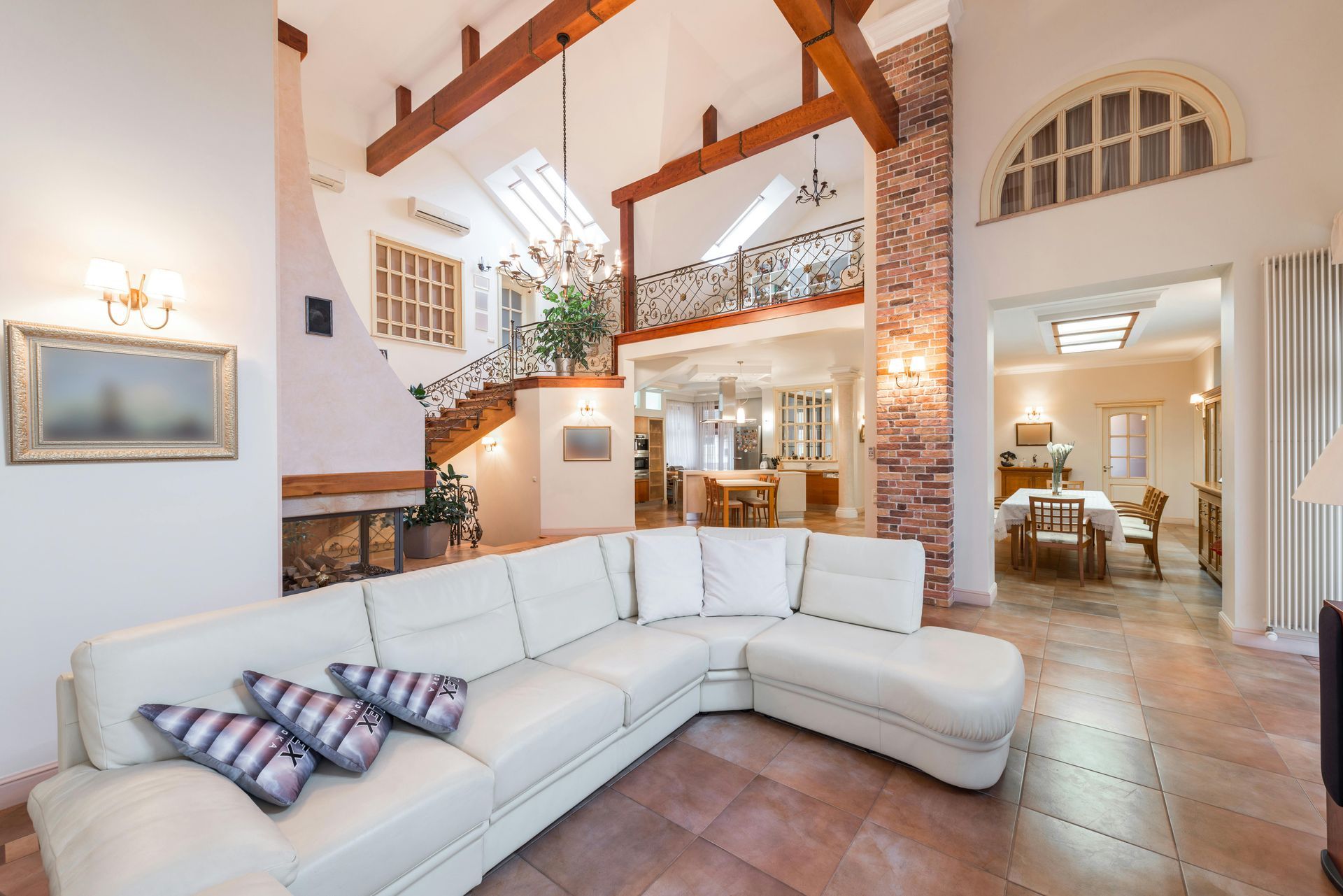
A luxury whole-home remodel involves making substantial improvements throughout most or all of an existing house. Rather than treating the kitchen, bathrooms, basement, and living areas as unrelated projects, the home is redesigned as one cohesive space.
The scope may include:
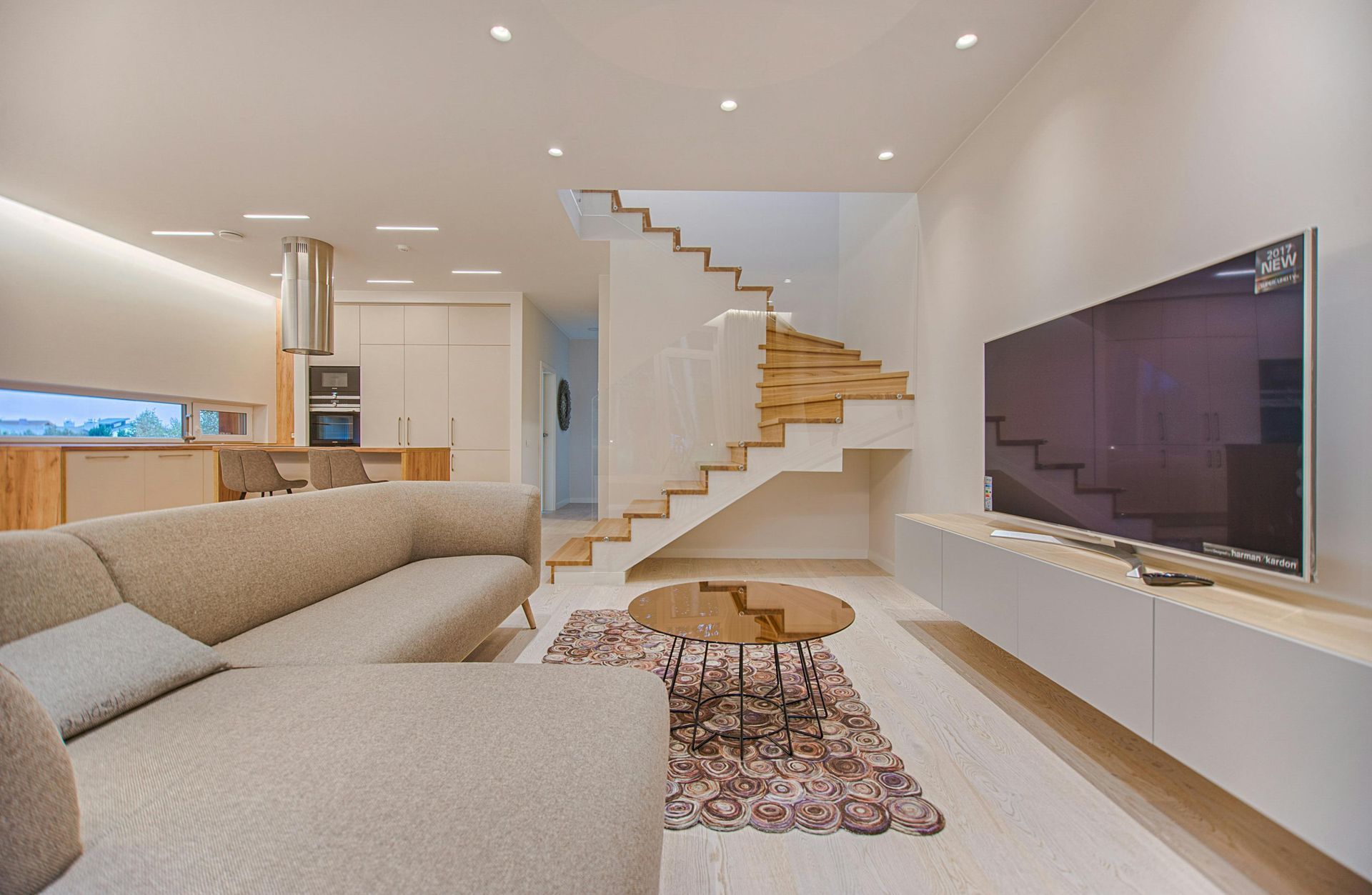
- Reconfiguring the floor plan
- Expanding kitchens and living spaces
- Remodeling primary bathrooms
- Replacing flooring throughout the home
- Installing custom cabinetry and millwork
- Updating lighting
- Improving windows and doors
- Updating plumbing, electrical, or HVAC systems
- Adding smart-home technology
- Remodeling or finishing the basement
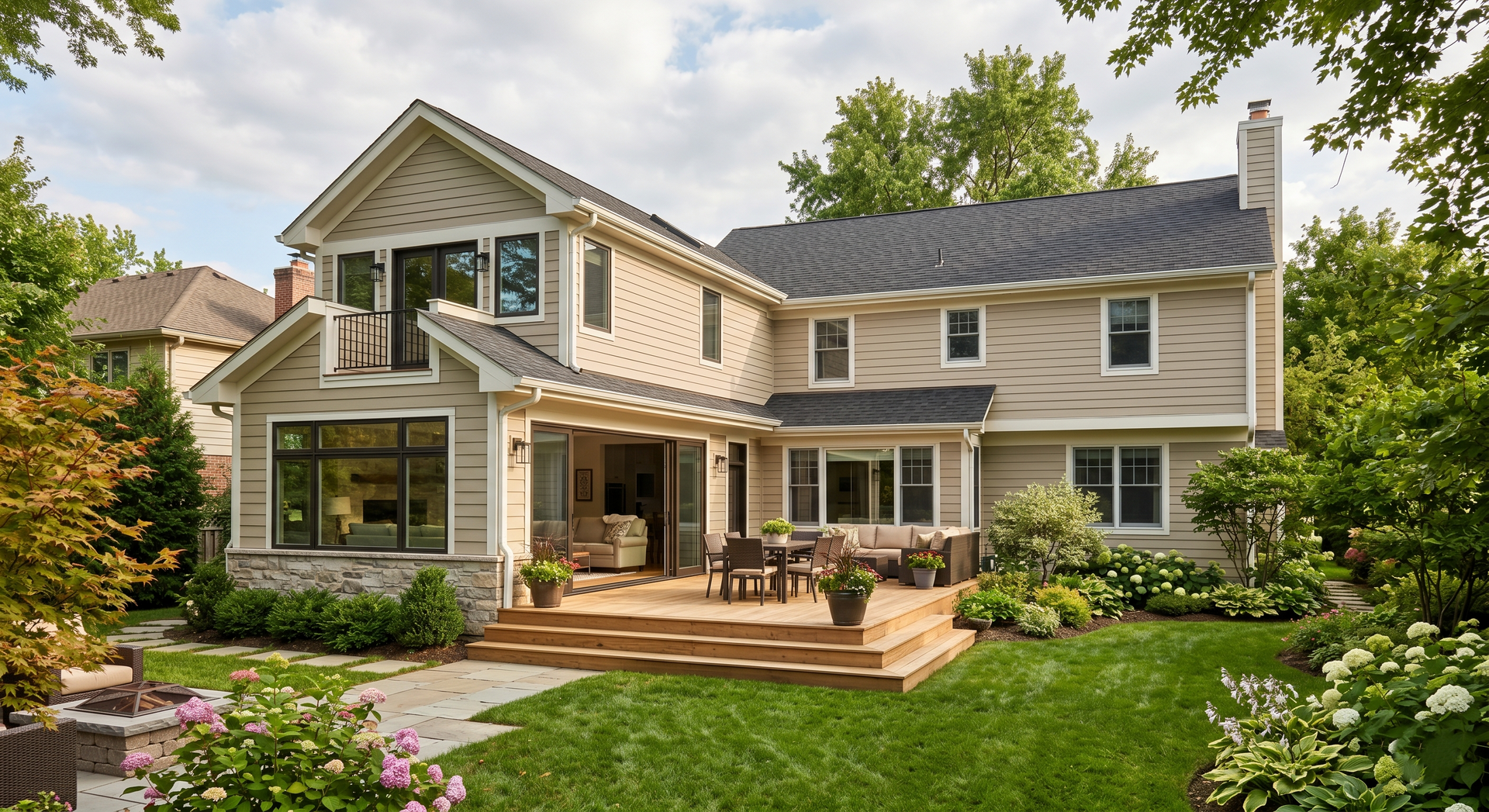
- Improving indoor-outdoor connections
- Creating a consistent interior design
The goal isn't simply to make an Atlanta home look newer. A successful luxury renovation should improve how the property looks, functions, and feels.
That distinction matters when determining whether you need a basic renovation contractor or a team experienced in large-scale luxury remodeling.
Internal Linking Opportunity: [Luxury Home Remodeling – https://www.gbhbs.com/]
Step 1: Decide What You Want the Remodel to Accomplish
Before selecting countertops or flooring, identify the problems you want your remodel to solve.
Walk through your home and consider what isn't working.
Perhaps your kitchen feels isolated from the family room. Maybe the primary suite is too small, storage is limited, or your basement is unfinished. An older Atlanta home might also have several smaller rooms when your family would prefer a more open layout.
Separate your priorities into three categories:
Must-haves: Changes necessary for the home to meet your needs.
High-priority upgrades: Features you strongly prefer but could modify if the budget requires it.
Wish-list features: Luxury additions that can be considered after essential work is accounted for.
This approach helps protect the features that matter most when construction estimates and design choices become more detailed.
Step 2: Establish a Realistic Remodeling Budget
One of the biggest mistakes homeowners can make is designing an entire luxury renovation before establishing an investment range.
Whole-home remodeling costs vary significantly because every existing property presents different conditions.
Your budget may be affected by:
- Total square footage
- Structural modifications
- Kitchen and bathroom scope
- Custom cabinetry
- Flooring selection
- Appliances
- Plumbing and electrical changes
- Window and door replacement
- Specialty materials
- Basement work
- Exterior improvements
- Interior design selections
Luxury finishes also have broad price ranges. Two kitchens with similar layouts can have dramatically different costs depending on cabinetry, appliances, countertops, lighting, and architectural details.
Discussing the budget early allows your remodeling team to recommend solutions that align with your priorities.
Should You Include a Remodeling Contingency?
Yes. Renovating an existing home can reveal conditions that weren't visible during initial planning.
Depending on the property, construction can uncover outdated wiring, plumbing concerns, water damage, framing issues, or other conditions behind walls and floors.
Setting aside a contingency helps prevent these discoveries from derailing the project.
Step 3: Choose Your Remodeling Team Early
For a large renovation, hiring the right professionals early can improve both design decisions and budget control.
A luxury whole-home remodeling team may involve:
- Builder or remodeling contractor
- Architect
- Interior designer
- Engineers
- Specialty subcontractors
An integrated approach allows construction feasibility and cost to be considered while the design develops.
When interviewing a luxury home remodeler near me in Atlanta, don't evaluate candidates based only on the lowest estimate.
Ask about:
- Experience with comparable whole-home projects
- Project management procedures
- Communication during construction
- Change-order policies
- Scheduling
- Subcontractor management
- Design coordination
- Permitting
- Warranty procedures
Review completed projects as well. The portfolio should demonstrate attention to details, finishes, transitions, and overall design—not simply impressive room sizes.
Internal Linking Opportunity: [Georgia Best Home Builders – https://www.gbhbs.com/]
Step 4: Develop a Cohesive Design
A whole-home renovation presents an opportunity that individual room remodels often don't: you can make the entire property feel intentional.
Flooring, cabinetry, paint, trim, hardware, lighting, and architectural elements should relate to one another.
That doesn't mean every room needs to look identical. Instead, there should be enough consistency that moving from one area to another feels natural.
Popular approaches for Atlanta luxury homes include:
- Transitional interiors
- Contemporary design
- Updated traditional architecture
- Warm modern interiors
- Modern farmhouse influences used selectively
Professional interior design can be particularly valuable during a whole-home renovation because dozens—or even hundreds—of individual selections must eventually work together.
Internal Linking Opportunity: [Interior Design Atlanta – https://www.gbhbs.com/]
Step 5: Prioritize the Kitchen
For many families, the kitchen determines how well the main level functions.
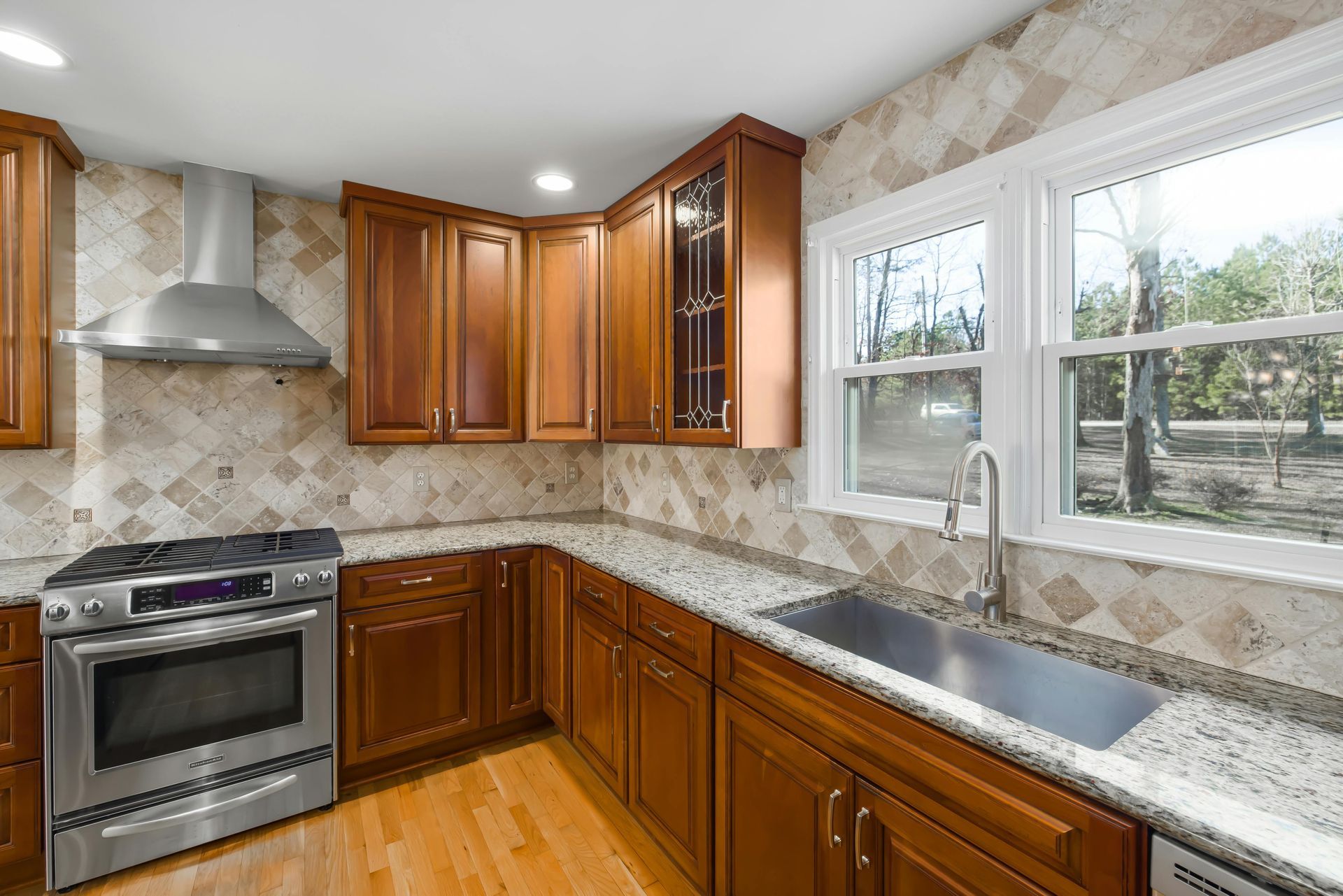
A luxury kitchen remodel may include an oversized island, custom cabinetry, premium appliances, better pantry storage, layered lighting, and improved connections to adjacent dining and living spaces.
But don't focus exclusively on finishes.
Ask functional questions first:
- Is there enough space between work zones?
- Where will small appliances be stored?
- Is the refrigerator conveniently located?
- Does the island interfere with major pathways?
- Is there adequate task lighting?
- Do you need a walk-in pantry or prep kitchen?
- How does the kitchen function when entertaining?
Luxury is most successful when beauty and usability work together.
Step 6: Reconsider the Existing Floor Plan
A whole-home remodel gives you an opportunity to correct layout problems rather than simply decorate around them.
Some homeowners want a completely open floor plan, but removing every wall isn't automatically the best solution.
Thoughtful layouts can combine openness with defined spaces.
For example, a kitchen may connect visually to the family room while a home office remains private. A dining space can feel connected without disappearing into the kitchen.
Your remodeling team should evaluate which walls are structural before significant changes are planned. Removing or modifying load-bearing walls can require engineering and additional structural support.
Step 7: Transform the Primary Suite
A well-designed primary suite can become one of the most valuable lifestyle improvements in a luxury renovation.
Homeowners may consider:
- Enlarging the bedroom
- Creating separate walk-in closets
- Adding custom closet systems
- Expanding the bathroom
- Installing a freestanding tub
- Building a large walk-in shower
- Adding dual vanities
- Improving privacy
- Creating direct outdoor access where appropriate
If the existing footprint cannot accommodate the desired suite, a home addition may be worth considering.
Internal Linking Opportunity: [New Home Additions – https://www.gbhbs.com/]
Step 8: Don't Overlook the Basement
In North Georgia, the basement can represent a substantial amount of underused square footage.
Instead of treating it as leftover space, incorporate it into the whole-home design.
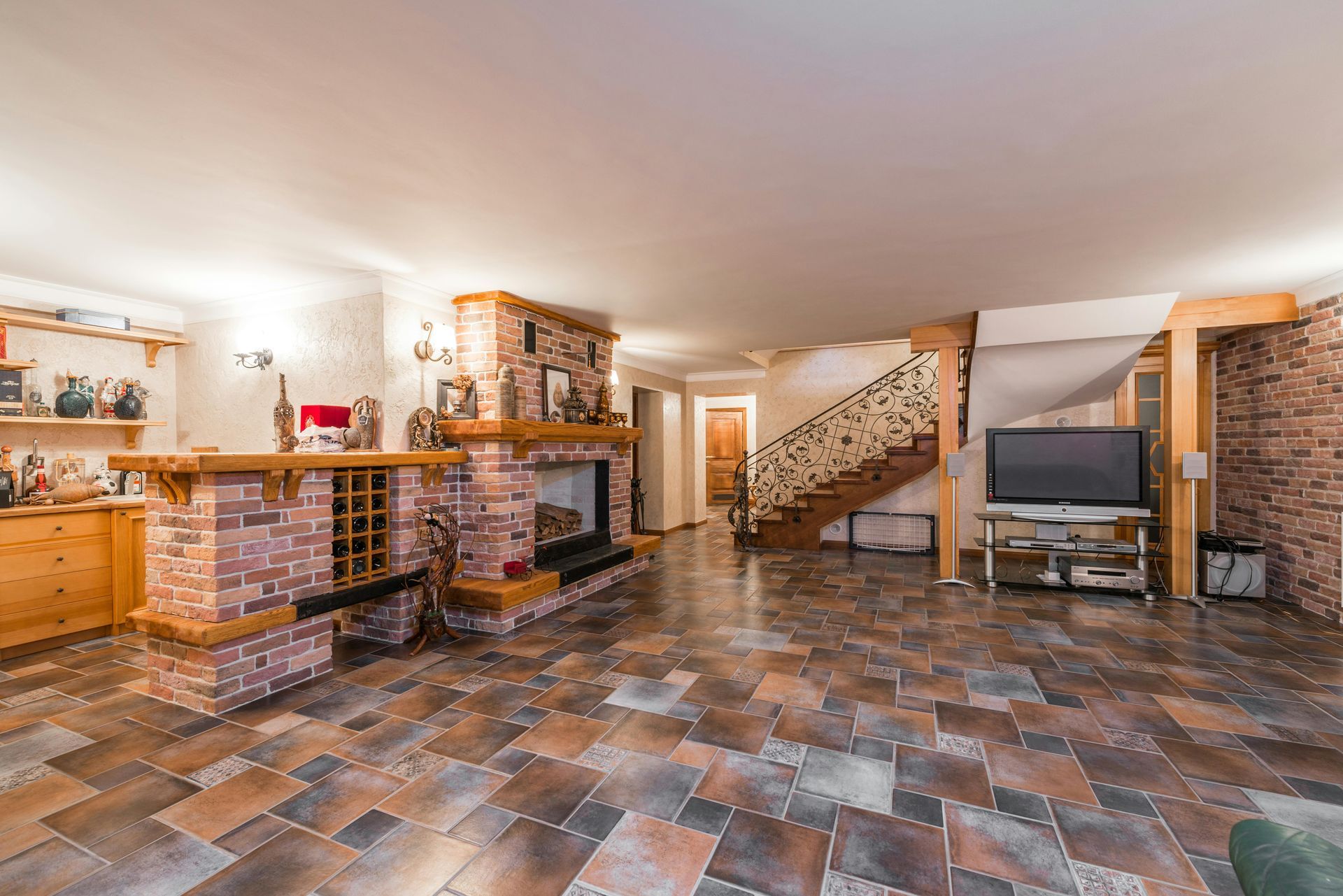
A luxury basement could include:
- Entertainment lounge
- Home theater
- Fitness room
- Guest suite
- Home office
- Game room
- Bar
- Wine storage
- Additional family room
Walkout basements can be particularly attractive because access to the yard and natural light can make the lower level feel more connected to the rest of the property.
Internal Linking Opportunity: [Basement Remodels – https://www.gbhbs.com/]
Step 9: Plan Lighting Early
Lighting has an enormous influence on how a luxury interior feels.
A successful lighting plan typically uses several layers:
Ambient lighting provides general illumination.
Task lighting supports activities such as cooking, reading, grooming, and working.
Accent lighting highlights architectural features, cabinetry, artwork, or materials.
Planning these systems before walls and ceilings are finished allows electrical locations to coordinate with furniture, cabinetry, and architecture.
Natural light should also be considered. Depending on the home's structure, larger windows or redesigned doors can dramatically change an interior.
Step 10: Consider Energy Efficiency While Walls Are Open
A major remodel can be a practical time to address efficiency improvements that would otherwise be disruptive.
Depending on the home, opportunities might include:
- Improving insulation
- Sealing air leaks
- Replacing inefficient windows
- Updating HVAC equipment
- Installing efficient lighting
- Upgrading controls or thermostats
The U.S. Department of Energy provides homeowner guidance on efficiency improvements and reducing household energy consumption.
External Linking Opportunity: [Energy Saver – https://www.energy.gov/energysaver]
Efficiency decisions should be evaluated for the specific property rather than added simply because they are trending.
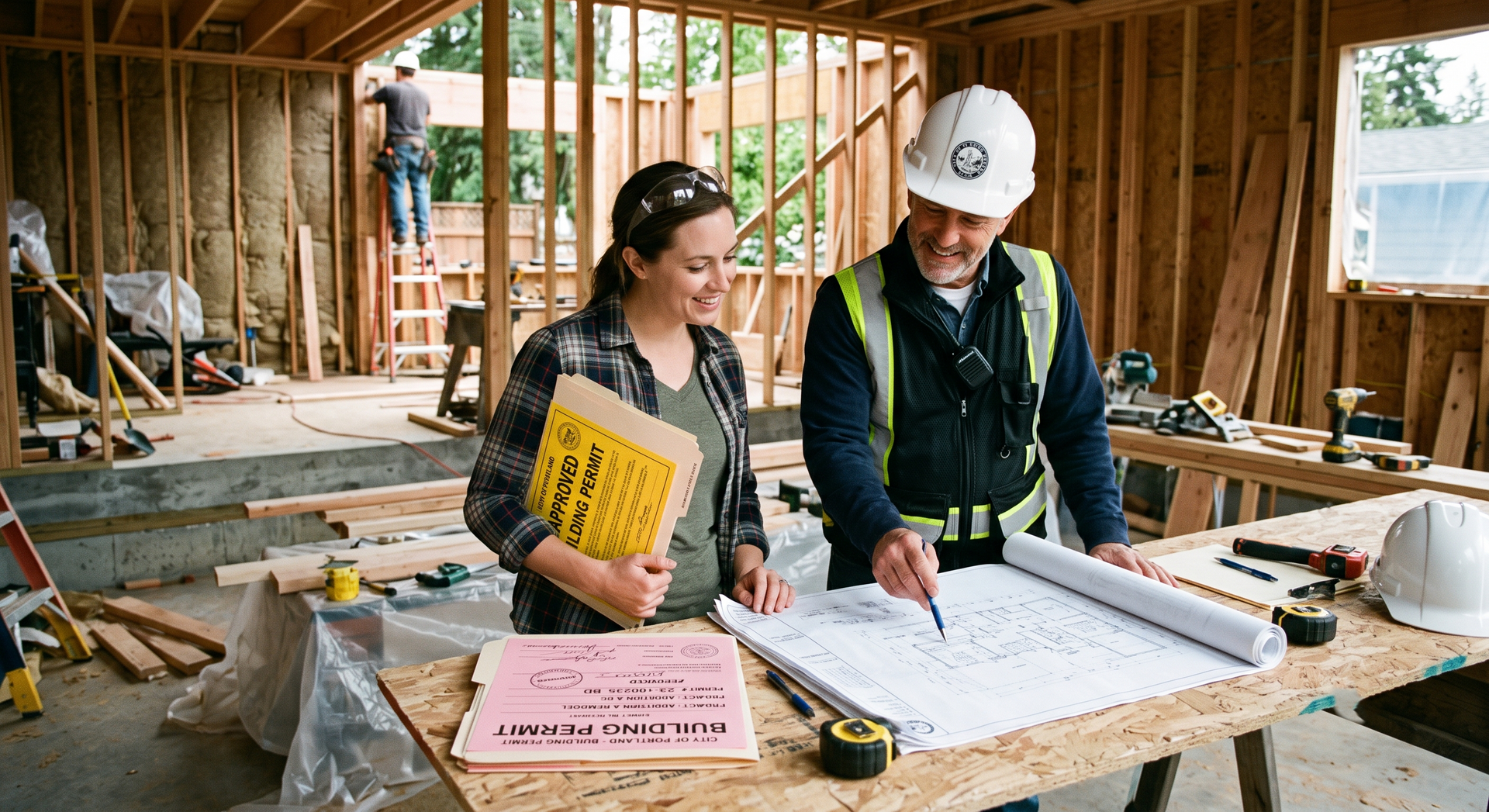
Step 11: Understand Permits and Inspections
Major Atlanta-area remodeling projects can require permits, particularly when structural, electrical, mechanical, or plumbing work is involved.
Requirements depend on the property location and scope.
Your construction team should determine which approvals apply and incorporate inspections into the schedule.
For statewide information about Georgia construction codes, homeowners can consult the Georgia Department of Community Affairs.
External Linking Opportunity: [Georgia State Codes – https://dca.georgia.gov/local-government-assistance/construction-codes-industrialized-buildings]
For projects in Cumming or Forsyth County, verify requirements with the authority having jurisdiction over the specific property before construction begins.
Step 12: Develop a Realistic Timeline
A luxury whole-home remodel is substantially more complex than remodeling one bathroom.
The overall schedule can include:
- Initial consultation
- Existing-condition assessment
- Design development
- Architectural or engineering work
- Material selections
- Pricing
- Permit review
- Site preparation
- Demolition
- Structural and mechanical work
- Interior construction
- Finish installation
- Inspections
- Final walkthrough
Custom products can also have longer procurement times. Cabinetry, specialty stone, windows, appliances, and custom architectural elements may need to be ordered well before installation.
A realistic schedule should account for these dependencies instead of promising an artificially short completion date.
What Should You Remodel First in a Whole-Home Renovation?
The best sequence is determined by construction logic rather than which room you like most.
Structural modifications and behind-the-wall systems generally need attention before finishes. Your contractor should establish a construction sequence that prevents completed work from being damaged by later phases.
For homeowners prioritizing where to invest, commonly important spaces include:
- Kitchen
- Primary suite
- Main living areas
- Bathrooms
- Basement
- Outdoor connections
However, the best priority list is the one that solves your home's specific shortcomings.
Common Whole-Home Remodeling Mistakes to Avoid
Designing Without a Defined Budget
Creating plans without discussing investment expectations can result in expensive redesigns later.
Choosing a Contractor Based Only on Price
A low initial number isn't necessarily a low final project cost. Compare scope, allowances, materials, project management, and what is excluded.
Making Too Many Decisions During Construction
Late selections can cause delays. Make as many material and design decisions as practical before they are needed onsite.
Following Every Design Trend
Luxury remodeling should have longevity. Incorporate trends selectively while keeping major architectural elements appropriate for the home.
Ignoring Storage
Beautiful rooms become less functional when everyday belongings have nowhere to go. Plan cabinetry, closets, pantry space, and utility storage alongside the visible design.
FAQs About Luxury Whole-Home Remodeling in Atlanta
How much does a luxury whole-home remodel cost in Atlanta?
There is no reliable one-size-fits-all figure. Cost depends on the home's size, existing conditions, structural work, materials, cabinetry, appliances, bathrooms, and level of customization. A detailed consultation and project-specific scope provide a more useful estimate than a generic per-square-foot figure.
Do I need to move out during a whole-home remodel?
For extensive renovations, temporary relocation may be more practical because multiple essential areas of the home can be unavailable simultaneously. Whether you can remain in the property depends on the construction scope, utilities, safety considerations, and project sequencing.
How long does a whole-home remodel take?
The timeline varies considerably. Design, permitting, procurement, construction complexity, custom materials, inspections, and unforeseen existing conditions can all affect completion. Your builder should establish a project-specific schedule after the scope is sufficiently developed.
Do I need an interior designer for a luxury remodel?
While every project is different, interior design can be particularly valuable for large luxury renovations. A designer can coordinate materials, colors, fixtures, cabinetry, lighting, furniture considerations, and other selections so the completed home feels cohesive.
Is a whole-home remodel better than moving?
It can be when you love your property or neighborhood but the house no longer meets your needs. Remodeling can preserve the location while allowing substantial customization. Moving may make more sense when the property cannot realistically accommodate your goals.
Plan Your Atlanta Luxury Remodel with Georgia Best Home Builders
A successful luxury whole-home remodel in Atlanta requires much more than selecting beautiful finishes. It requires a clear vision, realistic budget, cohesive design, detailed construction planning, and a team capable of coordinating every stage.
Georgia Best Home Builders works with homeowners in Cumming, Atlanta, and surrounding North Georgia communities on luxury remodeling and residential construction projects.
Whether your vision involves redesigning the main floor, creating a luxury primary suite, transforming an unfinished basement, or renovating the entire property, start by developing a plan that connects your design goals with the realities of construction.
Request a whole-home remodeling consultation with Georgia Best Home Builders to discuss your property, priorities, design goals, and project scope.
[Georgia Best Home Builders – https://www.gbhbs.com/]